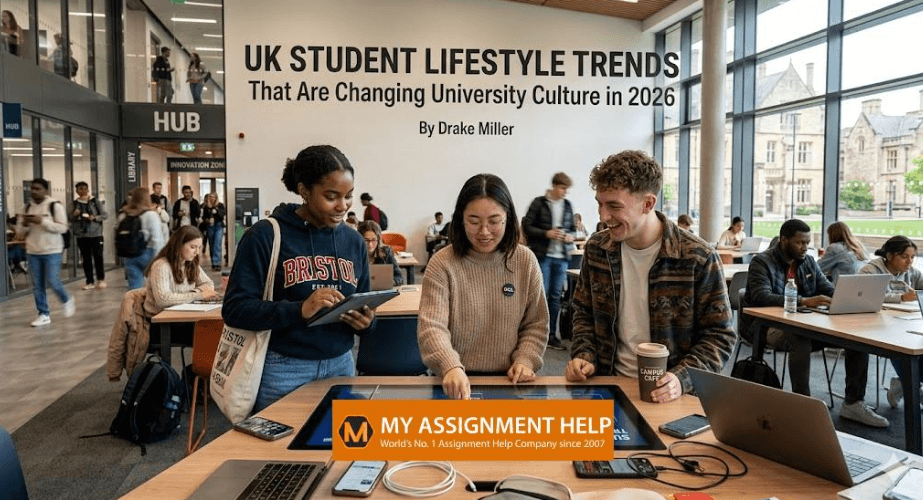
The British university experience has long been defined by a specific set of tropes: late-night library sessions, budget-friendly pasta meals, and a legendary social scene centered around the Student Union. However, the mid-2020s have ushered in a seismic shift. Today’s UK university culture is unrecognizable compared to that of a decade ago.
Driven by economic pressures, a heightened focus on mental wellbeing, and the digital-first nature of Gen Z and early Gen Alpha, the lifestyle of a typical UK student is evolving at a breakneck pace. For high school students looking toward the 2026-2027 academic cycle and current undergraduates navigating the present, understanding these trends is essential.
1. The Rise of ‘Sober Curiosity’ and Mindful Socialising
Historically, the “Freshers’ Week” experience was synonymous with excessive drinking. While socialising remains a core pillar of university life, the way students interact is changing.
Recent data suggests a significant rise in “sober curiosity” among UK students. Many are choosing to reduce their alcohol intake or abstain entirely, citing reasons such as physical health, mental clarity, and the desire to avoid “hangxiety.” In response, universities are diversifying their social calendars. We are seeing a surge in night-time climbing wall sessions, board game cafes, alcohol-free “mocktail” mixers, and late-night film screenings. This shift makes university culture more inclusive for international students and those from diverse cultural backgrounds who may not drink, fostering a more globalized campus environment.
2. The ‘Side Hustle’ and Professional Proactivity
The rising cost of living in the UK has transformed the student financial model. Relying solely on a maintenance loan is no longer feasible for many in 2026. Consequently, the “student side hustle” has moved from a niche hobby to a cultural norm.
Today’s students are entrepreneurs. From selling vintage clothes on Depop and Vinted to freelance graphic design, tutoring, or content creation, students are building professional portfolios while studying. To manage the pressure of running a business while maintaining grades, many look to buy research paper online to ensure their academic output remains top-tier. This trend has created a more professionalised university culture where students are more aware of “personal branding” and are often looking for ways to monetise their skills long before graduation.
3. The Digital Transformation of Learning and Academic Support
The “hybrid” model is no longer a temporary fix; it is the foundation of the 2026 academic experience. While in-person seminars are highly valued for networking, the convenience of recorded lectures and digital resources has changed how students manage their time.
The modern UK student is a master of digital productivity. They utilize AI tools for brainstorming, use collaborative platforms like Notion to organise their lives, and seek out external academic support to manage heavy workloads. For those struggling with the transition from A-levels to degree-level writing, the comprehensive assignment services at Myassignmenthelp.com have become a common part of the academic toolkit. These platforms help students bridge the gap in complex subject areas, allowing them to maintain high standards while balancing the myriad responsibilities of modern student life.
4. Wellness as a Priority, Not a Luxury
Mental health is no longer a taboo topic on campus; it is at the forefront of the student experience. Students are increasingly selecting universities based on the quality of their wellbeing services.
This focus on wellness extends to daily habits. “Self-care” routines, gym memberships, and yoga societies are seeing record engagement. There is also a growing trend of “digital detoxing,” where students consciously take breaks from social media to protect their mental health. Universities are responding by installing “wellbeing pods” and offering mindfulness workshops, reflecting a culture that prizes emotional resilience as much as academic achievement.
5. Conscious Consumerism and Sustainability
The UK student population is arguably the most environmentally conscious demographic in the country. This is reflected in everything from diet to fashion.
Plant-based living is thriving on campus. Most university canteens now lead with vegan options, and “Meat-free Mondays” are a standard. Beyond food, the “fast fashion” era is being replaced by a “pre-loved” revolution. Charity shopping and clothes swaps are the go-to for campus style. Students are also holding their institutions accountable, demanding that universities divest from fossil fuels and implement circular economy initiatives on campus.
6. The Evolution of Student Accommodations: Beyond the “Digs”
The days of damp, cramped “digs” are slowly being replaced by Purpose-Built Student Accommodation (PBSA). These modern complexes often include cinema rooms, private gyms, and co-working spaces designed to mimic the offices of major tech firms.
While this has raised concerns about affordability, it has also changed the social dynamic. Students are spending more time within their accommodation hubs, which act as micro-communities. This trend highlights a shift toward a lifestyle where “living” and “studying” are seamlessly integrated into high-quality, tech-enabled environments.
7. Strategic Career Mapping from Year One
The UK graduate job market is more competitive than ever in 2026, leading to a trend of “early-career anxiety.” High school students entering university today are often already thinking about their CVs before they’ve attended their first lecture.
This has led to a surge in “Spring Weeks,” internships, and networking events. Students are no longer waiting until their final year to visit the careers office. There is a culture of strategic volunteering and society leadership, where students take on roles specifically to demonstrate soft skills like conflict resolution and financial management to future employers.
8. The “Study-Tuber” and “Study-Gram” Influence
Social media has turned studying into an aesthetic. The “StudyTube” community—vloggers who film “Study with Me” videos—has a massive influence on UK student habits.
This trend has popularized specific study techniques, such as the Pomodoro technique or active recall. It has also created a sense of global community; a student in Manchester can feel motivated by a student in London through a shared Discord study room. It turns the often-lonely task of revision into a shared, performative, and communal experience.
9. Food Culture: From Pot Noodles to Foodies
While the budget remains tight, the “student diet” has undergone a makeover. Influenced by TikTok food trends and “budget meal prep” influencers, students are becoming more adventurous and health-conscious in the kitchen.
Cooking is now a social activity. “Come Dine With Me” style dinner parties are a popular way to save money while socialising. The focus is on high-protein, low-cost, and sustainable ingredients, reflecting a broader awareness of nutrition and its impact on academic performance.
10. A Shift in Political and Social Activism
UK universities have always been hubs for activism, but the nature of this engagement has changed. Today’s activism is highly intersectional and digitally driven.
Students are utilising social media to organise protests, sign petitions, and raise awareness for global and local issues—ranging from the gender pay gap to housing rights for students. This generation is not just participating in culture; they are actively trying to dismantle and rebuild it to be more equitable.
See also: Understanding Transaction Confirmation Times
Frequently Asked Questions
Q.1 How has UK university culture changed since 2020?
The most significant changes include a shift toward “hybrid” learning, a massive increase in sober-centric socialising, and a move toward professionalized side hustles to combat the rising cost of living. Mental health and sustainability have moved from “nice-to-haves” to core campus values.
Q.2 Is Freshers’ Week still about drinking in 2026?
While alcohol remains a part of some students’ experiences, it is no longer the sole focus. Most UK universities now offer “Dry Freshers” events, including escape rooms, city tours, and late-night sporting events, catering to the growing “sober curious” demographic.
Q.3 What are the most popular side hustles for UK students?
Reselling vintage clothing on apps like Vinted or Depop remains popular. However, in 2026, we are seeing a surge in “digital freelance” roles such as social media management, virtual tutoring, and content creation for small UK-based brands.
Q.4 How can high school students prepare for university-level writing?
The jump from A-levels to degree-level academic writing is significant. Students are increasingly using productivity frameworks like the Feynman Technique to understand complex topics and utilizing Myassignmenthelp.com to ensure their early assignments meet higher education standards.
Q.5 What is Purpose-Built Student Accommodation (PBSA)?
PBSA refers to housing specifically designed for students, often managed by private companies rather than universities. In 2026, these buildings typically include amenities like high-speed Wi-Fi, fitness centres, and dedicated study pods, aiming to provide a “live-work-play” environment.
Conclusion: The Future of the UK Student Experience
The UK student lifestyle in 2026 and beyond is a blend of traditional academic rigour and a modern, holistic approach to life. It is a culture defined by resilience, digital fluency, and a deep-seated desire for balance.
For high school students preparing for this journey, the message is clear: university is no longer just about the degree you get at the end. It’s about the brand you build, the wellness habits you form, and the conscious choices you make as a consumer and a citizen.
As the landscape continues to change, students are finding innovative ways to thrive. Whether it’s through adopting new study technologies or seeking out Myassignmenthelp.com to balance a side hustle with a heavy syllabus, the modern UK student is more adaptable and proactive than ever before.
About the Author – Drake Miller
I am a passionate blog author associated with Myassignmenthelp.com, known for creating insightful and student-focused educational content. He specializes in topics related to assignment help, academic writing, study strategies and student life. With a clear and engaging writing style, Drake aims to simplify complex academic concepts and provide practical guidance to students worldwide.