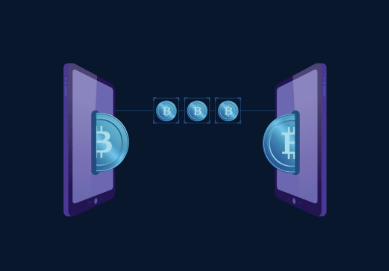
Transaction batching collects multiple transactions into a single processing unit to share overhead and raise throughput without compromising integrity. The approach relies on predictable timing, controlled latency, and known error bounds. Sizing balances processing efficiency with acceptable risk, guided by targets and monitoring. Resilient pipelines require explicit timing, retries, and rollback safeguards. This framing invites concrete metrics, tests, and trade-offs that determine practical impact—a path that warrants careful evaluation before adoption.
What Is Transaction Batching and Why It Works
Transaction batching refers to the collection of multiple transactions into a single processing unit before execution, enabling shared overhead to be amortized and throughput to increase. It creates predictable workflows through batching economics, reducing per-item costs while preserving system integrity.
For practitioners seeking autonomy, the approach lowers latency variance and stabilizes performance, aligning efficiency with freedom without sacrificing accuracy or control.
How to Size Batches for Throughput and Accuracy
Sizing batches for throughput and accuracy requires balancing processing efficiency with acceptable risk. The guidance aims for a disciplined approach to batch size selection, anchored by measurable latency targets and known error bounds. Practitioners evaluate tradeoffs, calibrate batch size against system load, and document decisions. In practice, optimize incrementally, monitor outcomes, and align batch configurations with defined latency targets and accuracy requirements.
Designing Resilient Batch Pipelines: Timing, Retries, and Errors
Designing resilient batch pipelines requires explicit consideration of timing, retries, and error handling to sustain throughput under varying conditions.
The architecture favors deterministic scheduling and bounded backoffs, enabling timing resilience across bursts and slowdowns.
Retry strategies must balance latency and idempotence, with clear failure pathways.
Monitoring, alerting, and rollback guards prevent cascading errors, preserving data integrity and organizational freedom.
Practical Guidelines: Metrics, Tests, and Real‑World Trade‑Offs
Practical guidelines for metrics, tests, and real-world trade-offs emphasize measurable impact, verifiable confidence, and disciplined decision-making.
The discussion formalizes benchmarks, experiments, and risk budgets, linking observable batching latency to operational goals.
It assesses trade-offs between throughput and latency, and between speed and correctness, clarifying how consistency guarantees influence rollback, retry strategies, and user experience for freedom-loving stakeholders seeking reliable, transparent performance signals.
See also: Cybersecurity Strategies for Future Enterprises
Frequently Asked Questions
How Do Batch Failures Affect End-User Experience in Real Time?
Batch failures increase batch latency, delaying acknowledgments and visible results; user impact ranges from brief interruptions to perceived freezes. End users experience slower interactivity, reduced throughput, and potential data inconsistency, prompting retries and scrutiny of error handling strategies.
What Are Hidden Costs of Stateful Batch Processing?
Stateful batch processing incurs hidden costs such as stateful overhead and resource contention, increasing latency and jitter. It imposes rigidity on scaling decisions, constraining flexibility while elevating operational complexity, capacity planning, and exposure to cascading failures.
Can Batching Improve Data Privacy or Compliance Automatically?
Batching can enhance privacy auditing and compliance automation by enforcing standardized data handling, reducing exposure, and enabling traceable workflows; it provides a pragmatic path for freedom-seeking systems to meet regulatory expectations with codified controls.
How Does Batching Interact With Streaming vs. Batch Analytics?
Batching interacts with streaming versus batch analytics by balancing latency impact against batch integrity; streaming favors low latency while batching emphasizes batch integrity, necessitating configurable windows, hybrid pipelines, and governance to optimize throughput, accuracy, and freedom within constraints.
What Monitoring Signals Indicate Stale or Stalled Batches?
Stale batching and stalled batches manifest as rising latency, gap expansions, and packaging delays. Monitoring signals include lag thresholds, increasing queue depths, failed heartbeats, timeout frequencies, and drift in batch completion times, provoking measurable, actionable corrective alerts for freedom-minded operators.
Conclusion
In summation, transaction batching smooths throughput without sacrificing integrity, provided sizing aligns with latency targets and error bounds. A disciplined pipeline—with explicit timing, retries, and rollback safeguards—yields predictable outcomes and manageable risk. Metrics-driven experimentation and real-world tests anchor decisions, balancing efficiency with accuracy. As the adage goes, “measure twice, cut once”—and in batching, measure throughput, latency, and errors twice to set a reliable, repeatable course.